
From carve‑out complexity to controlled integration
How Hitachi Rail delivered a secure IT separation and integration for Omnicom
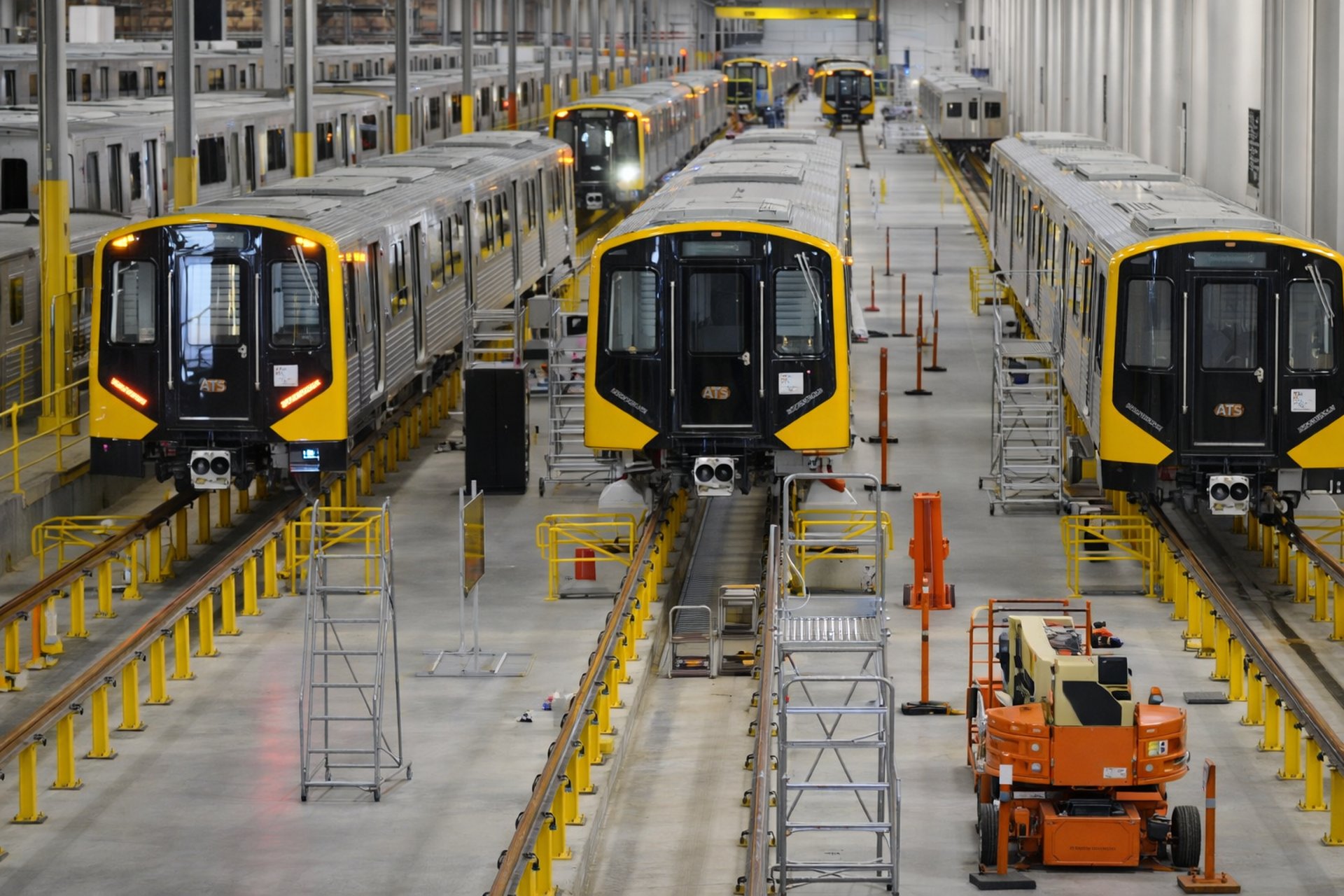
When Hitachi Rail completed the acquisition of Omnicom, the strategic intent was clear: to strengthen its digital asset management and “train‑as‑a‑sensor” capabilities.
The primary focus lay in execution - delivering a complex IT carve‑out and integration under compressed timelines, with legacy systems, extensive TSAs, and a closely integrated technology landscape, all while ensuring uninterrupted continuity across safety‑critical rail operations.
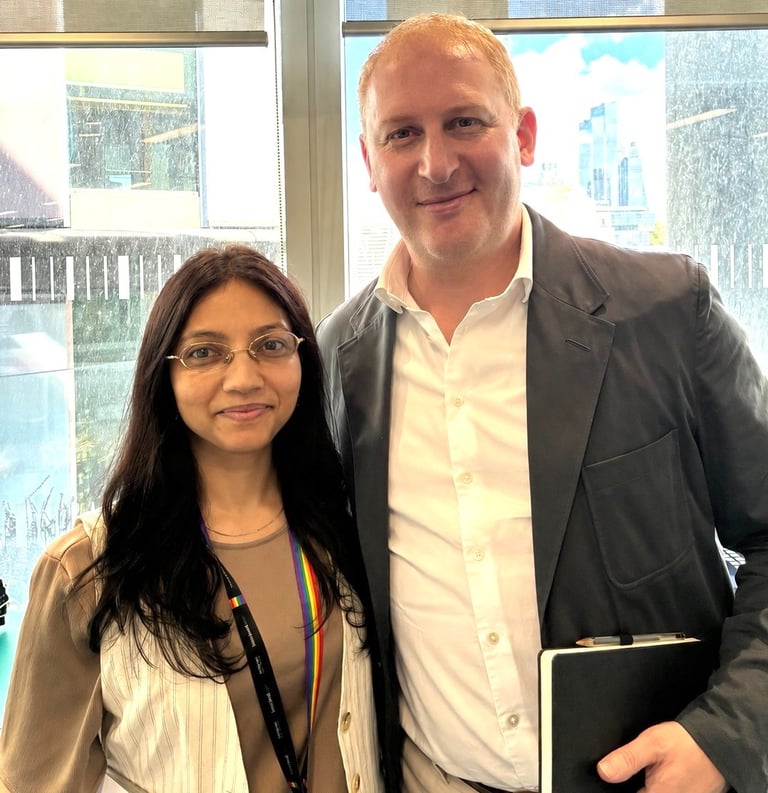
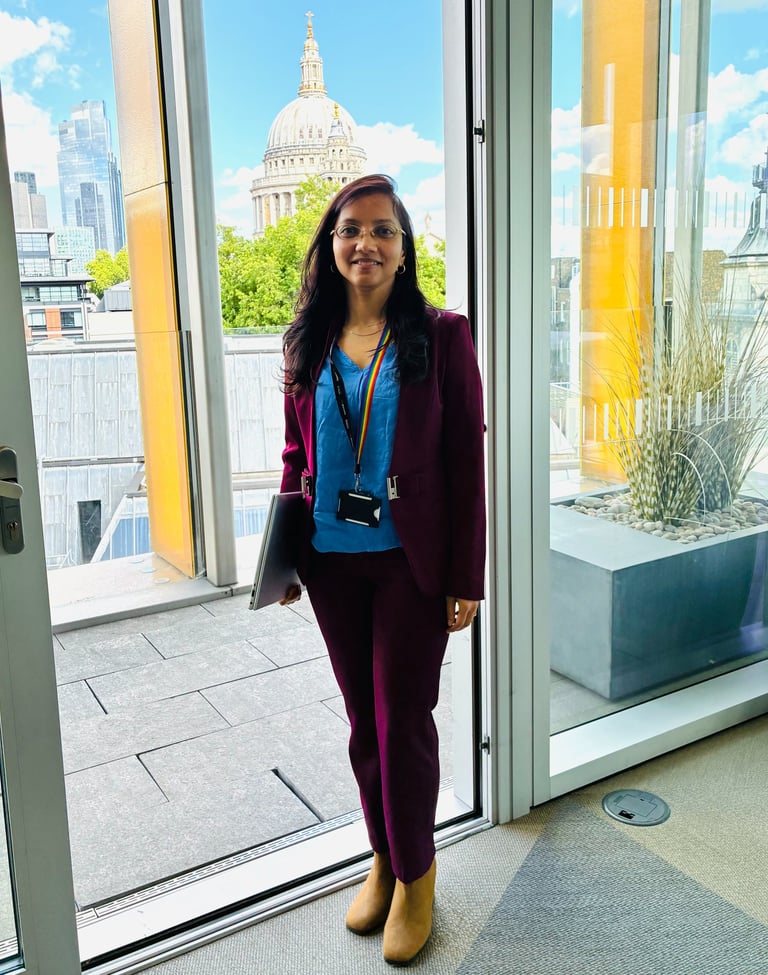
Hitachi Rail appointed Ruchi Rani as a dedicated Carve‑out & Integration Director to lead the programme end‑to‑end and ensure a structured, value‑protective transition.
The acquisition required the full separation of Omnicom’s IT landscape from the seller environment, followed by rapid integration into Hitachi Rail’s enterprise technology estate.
The programme addressed a legacy, diverse IT landscape characterised by accumulated system constraints and platforms approaching end-of-support, with highly interconnected systems spanning ERP, applications, infrastructure, EUC, identity, and cyber security.
Accelerated TSA timelines required uninterrupted support for safety-critical operations, while the programme needed to establish secure, compliant IT foundations while enabling Day-1 business continuity.
Multiple stakeholders across Hitachi Rail, the seller organisation, and Omnicom operated within a transaction-driven environment.
The programme required disciplined execution, strong governance, and timely decision-making - while maintaining enterprise standards or operational resilience.
Hitachi Rail established a single, integrated Carve‑out and Integration programme with well- defined governance structure.
The approach centred on clarity, structured sequencing and strong governance.
The programme delivered end-to-end IT carve-out and integration leadership spanning Sign-to-Close, Day-1 readiness, and TSA design, execution, and exit.
A structured IT readiness playbook covered ERP, infrastructure, EUC, applications, identity, and cyber security, while application-level integration planning enabled informed replace-versus-integrate decisions.
The target-state operating model was defined to establish scalable and compliant foundations for future growth, supported by well-defined TSA scoping and exit principles aligned to Hitachi Rail's target operating model.
This structure ensured dependencies were visible, risks were proactively managed, and decisions were made with confidence and agility
The Challenge
Our Solution
The programme delivered a seamless IT carve-out and integration while preserving uninterrupted operations.
The programme delivered Day-1 business continuity, enabling Omnicom to operate autonomously within Hitachi Rail, alongside a successful ERP carve-out and stabilisation that included Oracle-to-SAP migration and greenfield workflows.
New hosting and data-centre capabilities were established, fully aligned to enterprise standards, while an extensive application portfolio spanning EUC, server-based, and SaaS services was securely integrated.
Legacy technologies were rationalised, mitigating risks from legacy and end-of-support systems.
Throughout the programme, executive confidence was sustained through clear governance, transparency and effective issue management.
Outcome




Day 1: Where the story began
From the outset, it was clear that this transaction was distinct from the standard lift & shift scenario.
HRL was bringing in a closely integrated Tech and IT stack, legacy infrastructure and unidentified costs. The inherited IT landscape spanned ERP, applications, infrastructure, end‑user computing, identity and cyber security - all tightly embedded within the Seller environment.
“This was not a standard IT project. It was like building the plane while flying it. We needed to move forward with uncertainty, make decisions quickly, and ensure the business remained stable from Day 1.”
- Wayne Steenkamp, Global IT PMO Director, Hitachi Rail
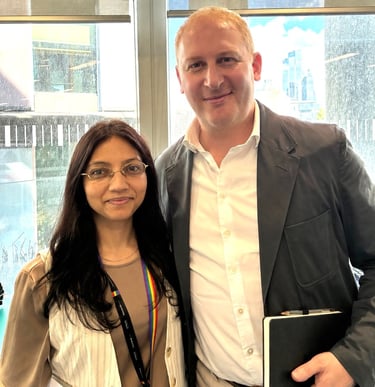
Early delivery focused on essential Day‑1 capabilities, including ERP readiness and secure access. A major early milestone was the successful execution of complex ERP data migration, enabling Omnicom to operate independently within Hitachi Rail from Day 1.
This milestone demonstrated that complex, high‑risk transitions could be delivered while maintaining day‑to‑day operations - building confidence across both IT and the wider business.
As delivery progressed, the programme remained transparent and agile where adjustments were needed. This ability to course‑correct - while maintaining pace proved critical in sustaining executive confidence.
From first milestone to course correction
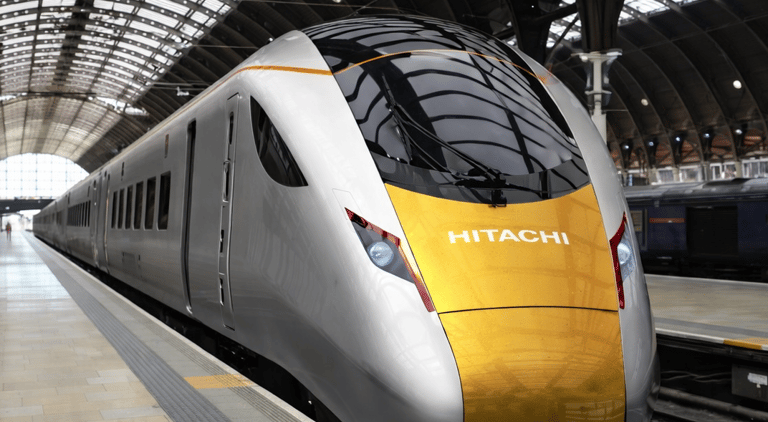
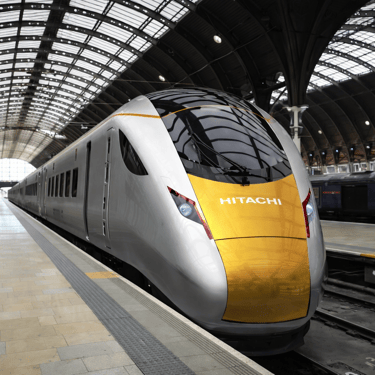

With confidence growing in delivery and risk controls, Hitachi Rail aimed for zero cost leakage through TSA delays.
Based on real‑time visibility of progress, dependencies and residual risk, the programme focused execution plan, prioritising:
Parallel delivery of multiple interdependent system transitions
Greater emphasis on testing, training and change readiness
Close coordination of vendors and internal teams during peak delivery periods
Despite the pace and scale of change, there was no business disruption and core operations continued to run securely.
Moving onto the fast track
“This Integration wasn’t about technology for its own sake. It was about protecting operational continuity while creating a scalable platform for future growth - and doing that under real transaction pressure.”
Koji Agatsuma, Chief Technology Officer, Hitachi Rail
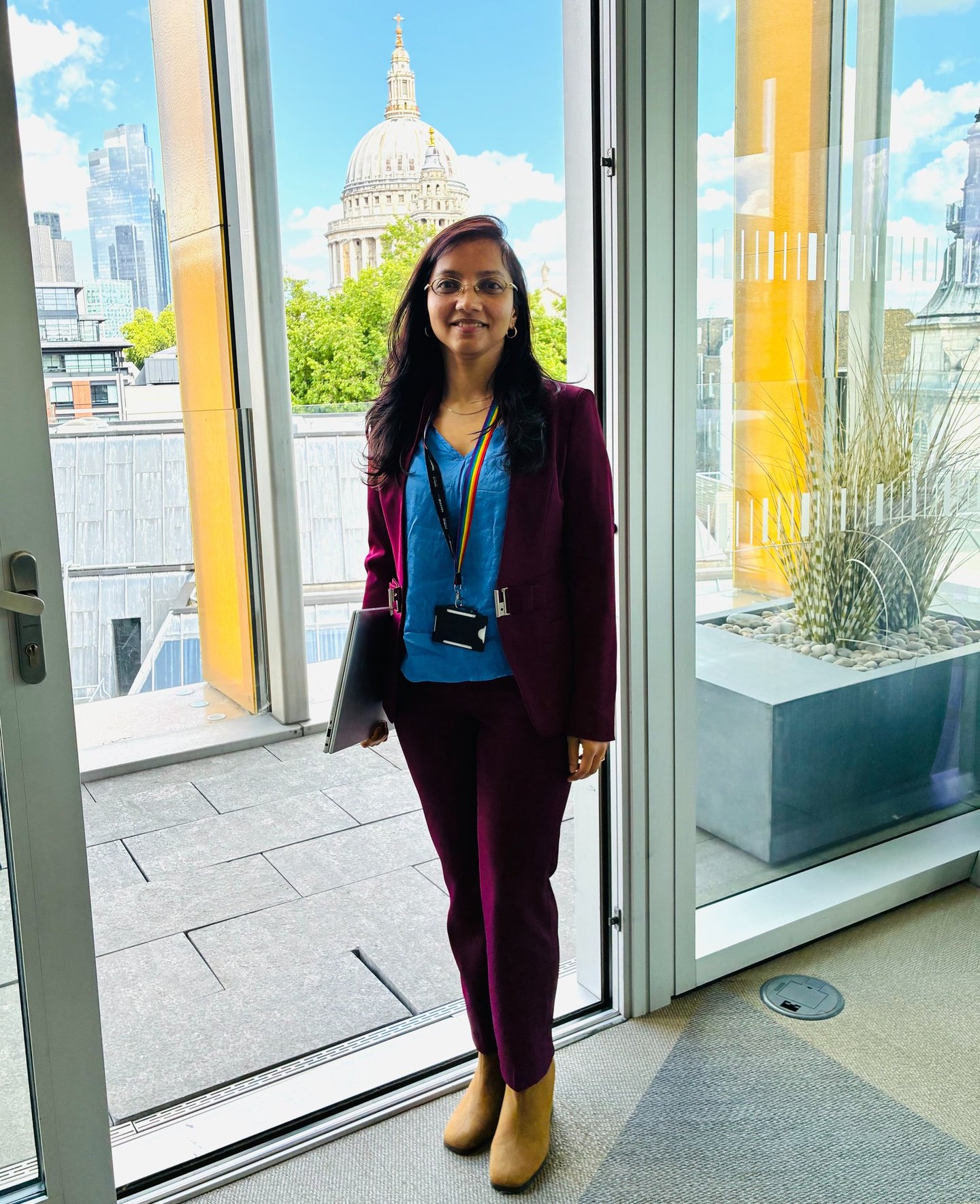
The timely TSA exit enabled Hitachi Rail to shift focus fully onto its target operating model. Following TSA Exit, attention was on business optimisation and transformation initiatives.
The core platforms were planned for integration into HRL's environment while maintaining continuity of safety‑critical or customer‑facing operations.
“The programme maintained control throughout - even when the timeline looked unachievable. That confidence came from disciplined execution and clear ownership.”
- Wayne Steenkamp, Global IT PMO Director, Hitachi Rail
Recipe for a successful carve‑out and integration
“Strong governance and sequencing allowed us to lay strong foundations for Omnicom into HRL, while keeping the business fully stable. The clarity and control brought to a very complex situation were critical to success.”
Tim Coles, Global Chief Information Officer, Hitachi Rail
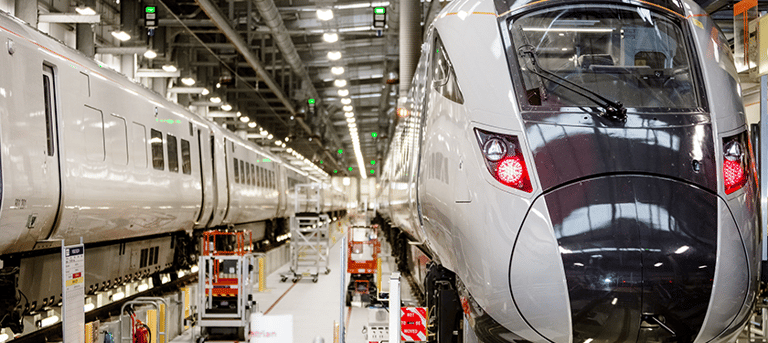
By combining disciplined execution with strong, senior judgement, Hitachi Rail successfully navigated a complex carve‑out and integration - protecting value, reducing risk and establishing a robust digital foundation to support future innovation and growth.
A controlled foundation for growth
EQUS Advisory Limited
Operational M&A and Value Creations Specialists
+44(0) 7512040928
© 2025 EQUS Advisory. All rights reserved.